
The Essential Accessories for Traveling With Your Dog (2026)
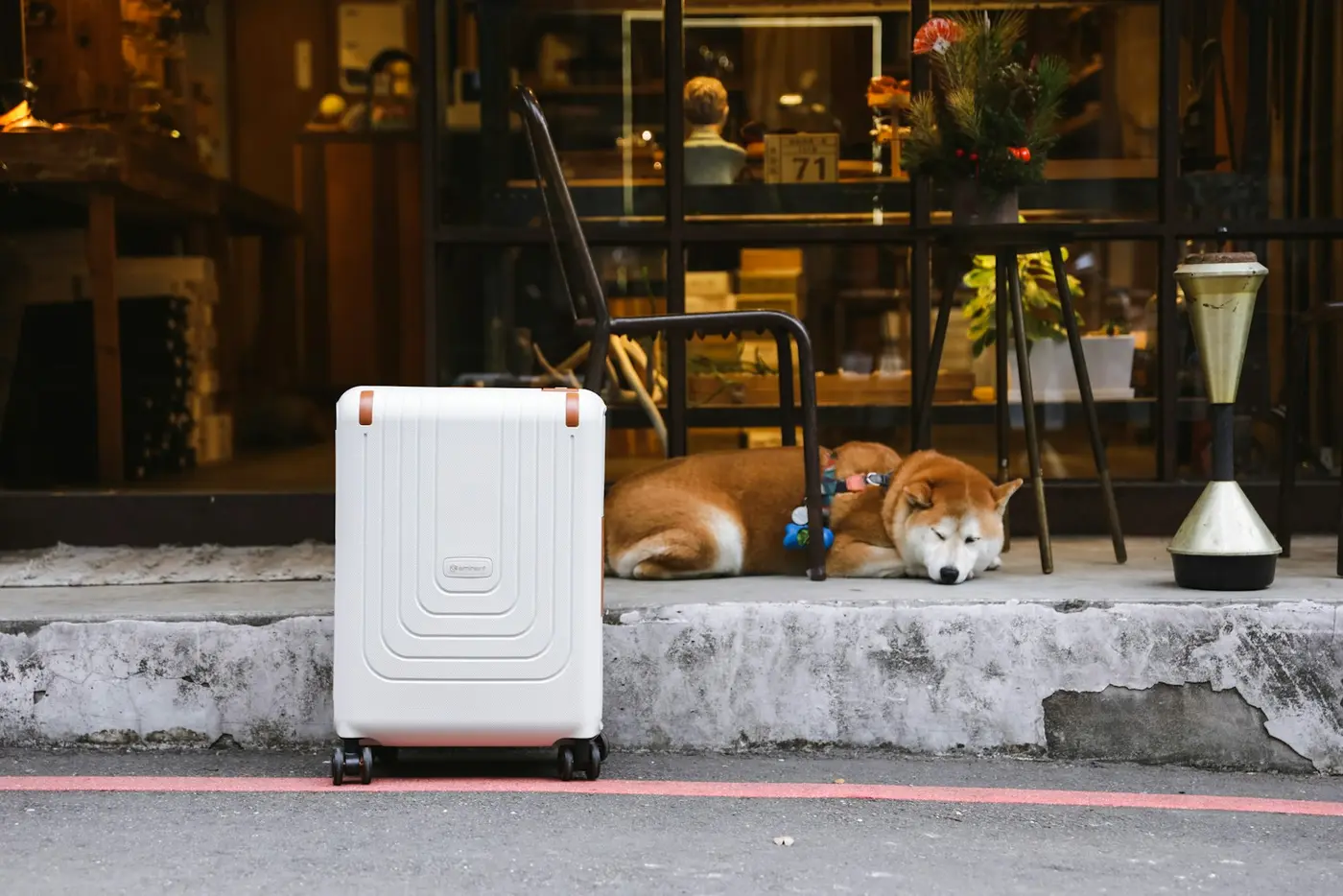
Traveling with your dog isn’t just about packing one more bag. The right gear turns a stressful trip into a smooth one — for them and for you. But between marketing claims and real needs, it’s hard to sort things out. This guide organizes everything by category of use, with a link to our detailed buying guide for each topic (criteria, comparisons, veterinary advice). The goal: that you know exactly what to bring, why, and how to choose it.
How do you keep your dog safe during the ride?
This is priority number one — and in many places a legal requirement: in a car, an unrestrained dog becomes a projectile under hard braking, and road rules in most countries require that an animal not interfere with the driver. Two reliable solutions: a safety harness clipped to the seat belt (for dogs used to it) or a properly strapped-down travel crate. Avoid attaching a plain collar to the seat belt — it’s dangerous for the neck.
To choose, read our guide on which car travel gear is actually useful and the one dedicated to crash-tested car harnesses. And if your dog pulls on the leash day to day, the right model isn’t necessarily the same: see which harness to choose for a dog that pulls.
Which crate or carrier should you choose?
The container depends on your dog’s size and your mode of transport. For a small dog, a ventilated soft carrier is often enough and is accepted in the cabin on planes and trains — see the most comfortable carriers for small dogs. For a medium to large dog, or for air travel in the hold, you need a properly sized, IATA-compliant rigid crate.
Three resources to get it right: the carrier vs. crate comparison, our guide on choosing an airline-approved crate, and the complete article on flying with a dog for the paperwork.
How do you keep your dog hydrated and fed on the road?
Dogs dehydrate quickly while traveling, especially in summer. The ideal setup: a dog water bottle or a collapsible bowl that slips into your bag, plus a water fountain at home so they drink more before departure. For meals, stick to the same food as at home to avoid digestive upsets.
Our guides: the best travel dog bowls, the best dog water fountains, the overview of portable feeding gear and the right habits for feeding and hydrating your dog while traveling.
How do you avoid losing your dog far from home?
A runaway or lost dog is the number one fear on vacation, in unfamiliar surroundings. A microchip is mandatory in many countries but it cannot locate your dog: to follow them in real time, a GPS tracker attached to the collar is the accessory that changes everything, especially when hiking or camping.
To understand battery life, subscriptions and range, read GPS trackers for dogs: never lose them again.
Which comfort accessories for which weather?
Travel exposes your dog to heat and cold alike. In summer, a cooling mat helps them regulate their temperature during breaks, and protecting their paw pads is essential on scorching pavement. In winter or in the mountains, a coat for cold-sensitive builds and booties protect against cold, road salt and snow.
Worth reading: the best dog cooling mats, how to protect paw pads in summer, protecting paw pads year-round and dog coats and boots for every forecast. In hot weather, keep the warning signs of heatstroke in mind.
How do you protect your dog’s health and keep them calm while traveling?
Two health essentials: something to soothe a dog stressed by travel (calming sprays, collars or supplements, on your vet’s advice) and a well-stocked first-aid kit. Motion sickness and anxiety can also be improved through gradual habituation.
Our guides: dog travel anxiety, motion sickness in dogs and the canine first-aid kit.
The dog travel accessories checklist
To leave with peace of mind, make sure you have:
- a secure transport system: a crash-tested car harness or a strapped-down crate;
- an approved crate/carrier if flying, or taking the train or a ferry;
- a water bottle + collapsible bowl and your dog’s usual food;
- a GPS tracker and an ID tag with your contact details;
- weather gear: cooling mat in summer, coat/booties in winter;
- a first-aid kit + up-to-date parasite prevention;
- the paperwork: health record, pet passport or health certificate, and vaccination proof if going abroad.
For a global comparison of travel gear, also see choosing travel gear for your dog.
Sources
Frequently asked questions
Which accessories are truly essential for traveling with a dog?
The must-haves are a secure transport system (car harness or crate), water and a collapsible bowl, a way to identify and locate your dog (ID tag + GPS tracker), a first-aid kit, and season-appropriate comfort gear. Everything else depends on your mode of transport and destination.
Do I need an airline-approved crate to fly with my dog?
Yes: in the hold, most airlines require a rigid crate that meets IATA standards, in which the dog can stand up, turn around and lie down. In the cabin (small dogs), a soft carrier matching the airline's dimensions is required. See our dedicated guide to airline-approved crates.
A harness or a crate for the car?
Both work as long as they are properly secured. A crash-tested safety harness clipped to the seat belt suits calm, well-accustomed dogs; a strapped-down crate offers maximum protection and reassures anxious dogs. What matters is that the dog is restrained and cannot interfere with the driver.
Does a GPS tracker replace a microchip?
No, they are complementary. The microchip is mandatory in many countries and identifies a found dog, but it cannot locate one. A GPS tracker shows your dog's position in real time: it is the accessory that lets you quickly find a runaway dog, especially on vacation.
How do I protect my dog from the heat while traveling?
Travel during the cooler hours, never leave your dog alone in the car, offer water regularly and bring a cooling mat for breaks. Check the pavement temperature before every walk and watch for signs of heatstroke.