
The Best Travel Dog Bowls (and 2-in-1 Water Bottles)
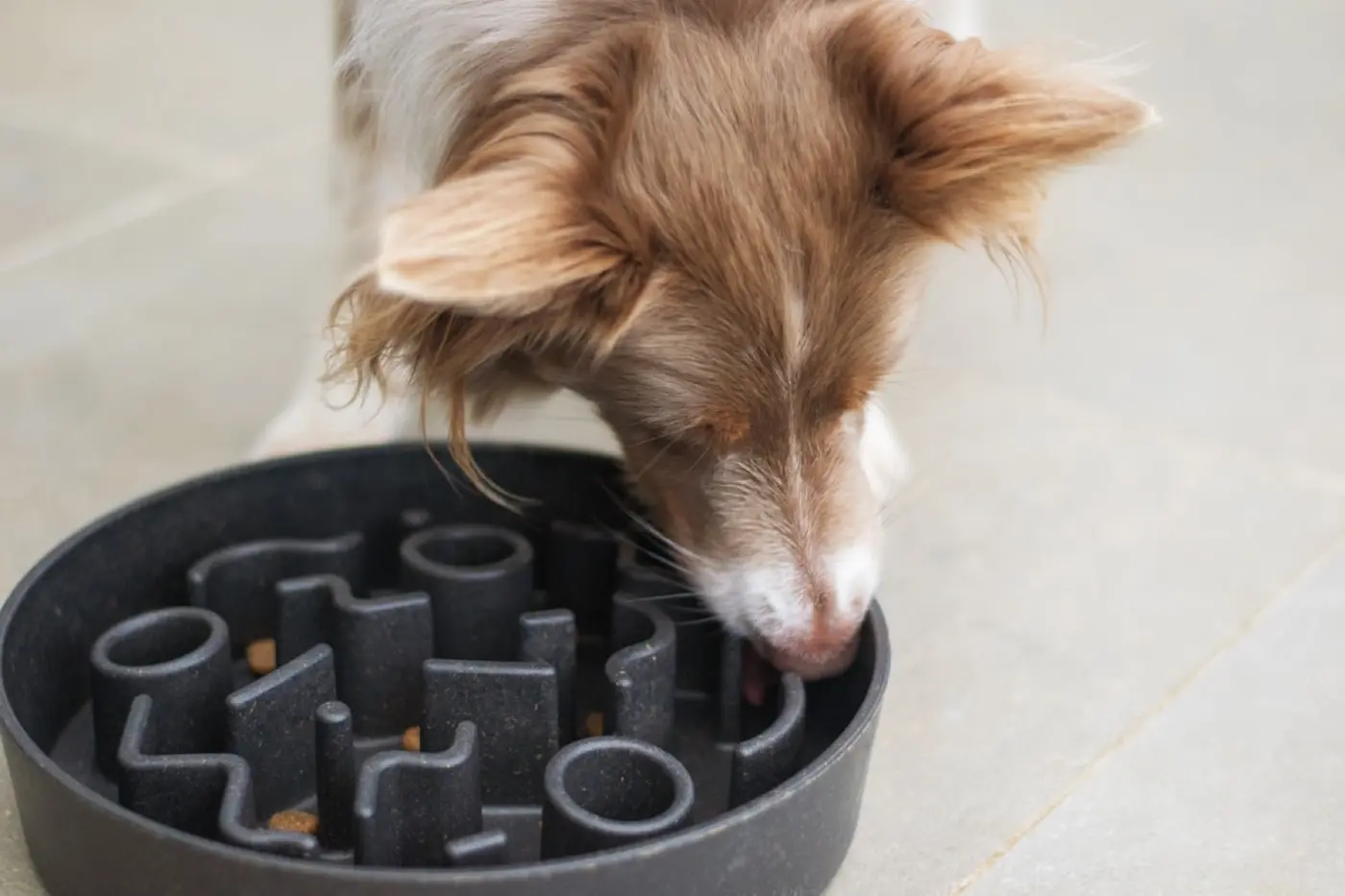
A bowl looks like the most mundane item in your packing list. Yet it’s one of the ones that most changes the comfort of a trip. On the road, your dog drinks at irregular times, in places with no faucet and no clean dish, sometimes in full heat at a highway rest stop. The heavy, wide bowl from home is useless here: it takes up space, leaks in the bag and is hard to clean. On the move, the challenge is exactly the opposite: fit in a pocket, spill nothing, rinse out in ten seconds.
This guide runs through the criteria that genuinely matter, without jargon or marketing promises. I mention a few well-known models as examples — the Kurgo collapsible bowl, the H2O4K9 bottle — without blindly praising them or inventing figures: it’s up to you to decide based on your dog and how you travel.
2-in-1 bottle or collapsible bowl: which format should you choose?
It’s the first question, and it structures everything else. The two formats answer distinct needs.
The 2-in-1 bottle combines a water reservoir and a dispenser: you squeeze, water rises into a tray, your dog drinks, and the excess is drawn back into the bottle when you release. Zero waste, nothing extra to carry, ideal for a hike or a day in the city with no access to a water point. Its drawback: it’s only for drinking, and its capacity is limited.
The collapsible bowl (usually silicone) flattens out or folds into a disc. It handles water and kibble alike, comes in several capacities and costs little. Its drawback: you have to carry water separately, and once filled it tips over easily if set down carelessly.
| Criterion | 2-in-1 bottle | Collapsible silicone bowl |
|---|---|---|
| Main use | Drinking on the move | Drinking and eating |
| Water carrying | Built into the reservoir | Must be carried separately |
| Packed footprint | Medium (bottle-shaped) | Very small (flat) |
| Tipping risk | Low | Moderate to high |
| Cleaning | Decent (mechanism to rinse) | Very easy |
| Ideal for | Hiking, city, short outings | Meal stops, camp, car |
In practice, many owners settle it by bringing both: the bottle for hydration on the fly, the collapsible bowl for the evening meal. It’s the most versatile combo, and together they weigh just a few dozen grams (a couple of ounces).
Silicone or stainless steel: which material should you favor?
The choice of material affects hygiene, weight and lifespan.
- Food-grade silicone: the king of collapsible materials. Light and flexible, it folds without cracking and is dishwasher-safe on most models. Check for a “BPA-free” label and food-grade silicone; bargain versions can keep a rubbery smell through the first uses.
- Stainless steel: unbeatable on hygiene, it holds neither odors nor bacteria, doesn’t scratch and rinses clean in one motion. On the other hand it doesn’t fold — so you’ll find it as lightweight rigid bowls or nesting cups, which are bulkier.
- Rigid plastic: found mostly in bottle dispensers. Here too, favor BPA-free plastic that’s easy to disassemble for cleaning.
My advice: well-made food-grade silicone for the collapsible bowl, stainless steel if you want a backup bowl that will never age. Avoid overly thin silicones, which warp as soon as you pour water in and end up sagging under the weight of kibble.
Is leak-proofing really a decisive criterion?
For anything that holds water, yes — it’s often the criterion that makes you regret a purchase. A bottle whose cap doesn’t seal means a soaked bag and a ruined trip.
Look at three points:
- The closure system: a screw cap with a gasket, or a one-way valve, seals better than a simple push-on cap.
- Position in the bag: even a leak-proof bottle gets stored upright rather than on its side when possible.
- The dispenser mechanism: on 2-in-1 bottles, the push button must snap firmly back into the closed position. A worn spring = leaks.
The H2O4K9 bottle, for example, is often cited for its valve-cap bottle format; the Kurgo collapsible bowl, on the other hand, bets on compactness rather than leak-proofing, which is logical for a meal bowl. They’re two philosophies, not two direct competitors.
What capacity for what size of dog?
Too small and you refill ten times; too big and you carry useless weight. Match the capacity to your dog’s size and the length of the outing. As a benchmark, a dog needs roughly 50 to 70 ml of water per kg per day (about 0.75 to 1 fl oz per lb), more in strong heat or during exercise — but that water is drunk in several sittings, so the bowl doesn’t need to hold the whole ration at once.
| Dog size | Benchmark capacity (bowl/tray) |
|---|---|
| Small dog (under 10 kg / 22 lb) | 250 to 350 ml (8.5–12 fl oz) |
| Medium dog (10–25 kg / 22–55 lb) | 350 to 600 ml (12–20 fl oz) |
| Large dog (over 25 kg / 55 lb) | 600 ml to 1 L (20–34 fl oz) |
For a bottle, a reservoir capacity of 0.5 to 0.75 L (17–25 fl oz) covers a half-day walk for a medium dog, topped up at a water point. For a multi-hour trek with no resupply, go up in volume or carry a backup bottle.
How do you clean it easily on the move?
Cleaning is the criterion you forget in the store and curse on the trip. A bowl with complicated nooks quickly becomes a bacteria nest when all you have is a trickle of cold water.
- Prefer smooth shapes, without deep grooves or sharp angles where food lodges.
- Check for a “dishwasher-safe” label for stops at rentals or serviced campgrounds.
- For 2-in-1 bottles, make sure the dispenser comes apart: that’s where biofilm forms.
- Bring a mini-sponge or a dedicated wipe: a rinse with clear water is enough between two meals, a real wash in the evening.
Silicone wins on this front: you can turn it completely inside out to scrub it, which is impossible with a rigid, high-walled container.
Bulk and attachment: how do you carry it without thinking about it?
The ideal accessory is the one you forget in the bag until the moment you need it. A few details make the difference:
- The fold: a bowl that goes from full size to a flat disc fits in any side pocket.
- The carabiner or ring: to clip the bowl to your belt, backpack or leash. Practical, but check that it doesn’t open on its own.
- The weight: on a long walk, every gram counts. Silicone and thin stainless steel beat thick plastic.
Think of your whole kit coherently: the bowl is one piece of a broader travel setup, alongside the leash, the mat and the water reserve. I detail how to organize it in the guide to portable dog bowls and feeding gear.
Which models to look at, and with what perspective?
A few references come up often in travelers’ feedback — take them as starting points, not a ranking:
- Kurgo collapsible bowl: cited for its compactness and sturdy material; a good example of a meal bowl that packs flat. Check the available capacity against your dog’s needs.
- H2O4K9 bottle: often mentioned for its bottle format with built-in dispenser, designed for drinking while walking. Evaluate it mainly on the cap’s leak-proofing and how easily it comes apart.
In any case, trust the name less than the three questions that matter: does it leak, does it clean easily, is it sized for my dog. The rest is detail. And remember the bowl is only one piece of the hydration puzzle on the move — a topic I cover in full in the guide to feeding and hydrating your dog while traveling.
Sources
- Veterinary association guidance and common recommendations on dogs’ water needs (benchmark of roughly 50–70 ml per kg per day, or 0.75–1 fl oz per lb, adjusted for activity and temperature).
- Manufacturer manuals and spec sheets from Kurgo and H2O4K9 (formats, materials, care) — check them for each model’s exact specifications.
- General food-hygiene recommendations for pet bowls (daily cleaning, BPA-free materials, food-grade stainless steel).
Frequently asked questions
Is a collapsible silicone bowl really hygienic?
Yes, as long as you choose food-grade silicone and wash it regularly. Its flexibility lets you turn it inside out to clean it completely, which limits the nooks where bacteria build up. Most are dishwasher-safe.
Should I choose a 2-in-1 bottle or a collapsible bowl?
They don't serve the same purpose. The 2-in-1 bottle is made for drinking on the move without carrying a separate dish; the collapsible bowl works for both drinking and eating, but you have to carry water separately. For a full trip, bringing both remains the most versatile solution.
What capacity should I plan for a large dog?
For a dog over 25 kg (55 lb), aim for a 600 ml to 1 L (20–34 fl oz) bowl and a water reservoir of at least 0.75 L (25 fl oz) for a half-day, topping up at water points. Water is drunk in several sittings: the bowl doesn't need to hold the whole daily amount at once.
How do I keep the bottle from leaking in my bag?
Choose a screw cap with a gasket or a one-way valve, check that the dispenser mechanism snaps firmly back into the closed position, and store the bottle upright rather than on its side. A worn spring on a 2-in-1 bottle is the most common cause of leaks.
Is stainless steel worth it for travel?
Yes for hygiene and durability: stainless steel holds neither odors nor bacteria and doesn't scratch. Its drawback is that it doesn't fold, so it's bulkier. It's a good choice as a backup meal bowl, alongside a collapsible format.