
GPS Trackers for Dogs: Never Lose Your Dog Again
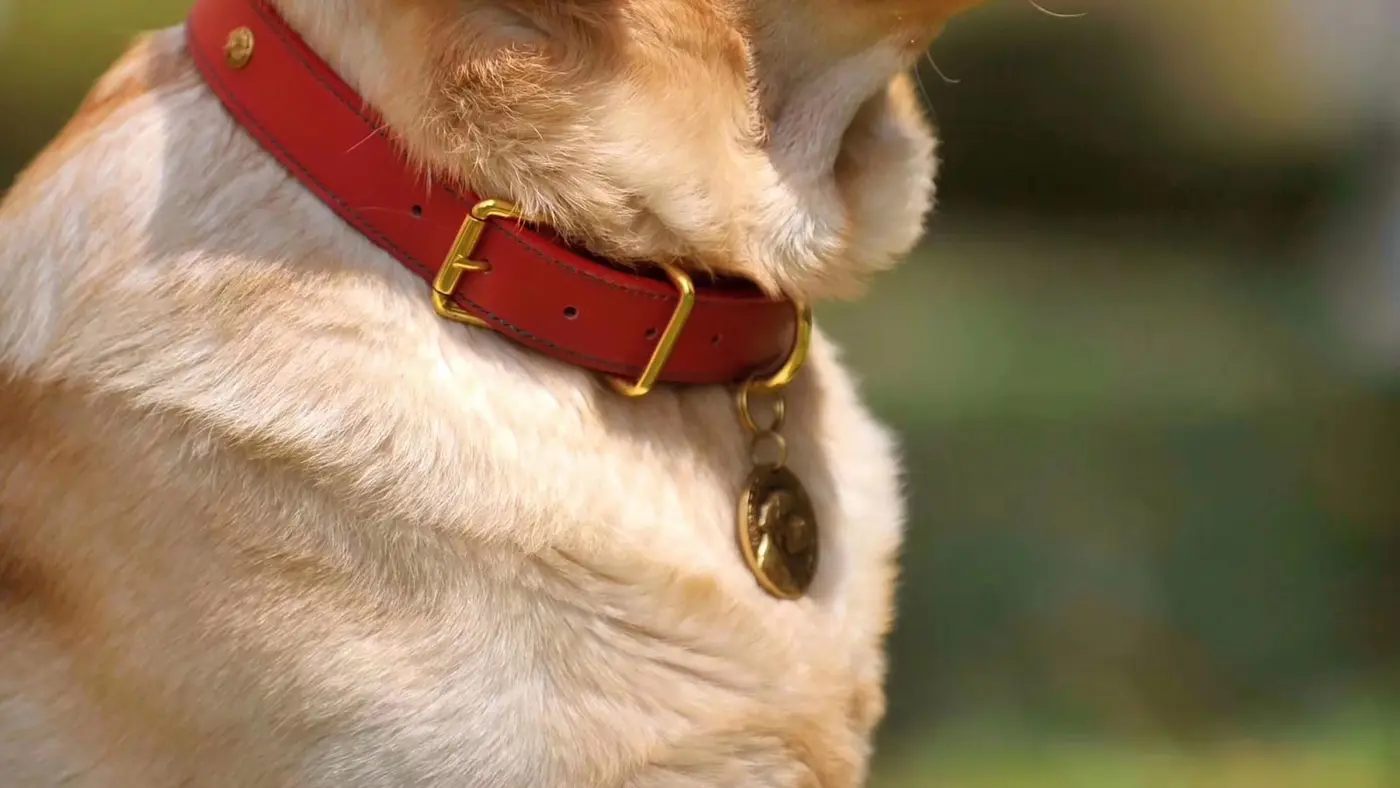
Every dog owner’s nightmare: watching your dog vanish over the horizon, around a bend in the trail or through a gate left open. The identification microchip is essential — and legally required in many countries — but it doesn’t locate the animal. That’s where the GPS tracker comes in, showing your dog’s position live on your phone. You just need to understand what it actually does and choose one that fits how you’ll use it. Here’s the breakdown.
What’s the difference between a microchip and a GPS tracker?
The chip identifies, the GPS locates: they are two completely different things. The microchip — required by law in many countries and for virtually all international travel — is a passive transponder read by a scanner; it only works if someone finds your dog and has it scanned by a vet, a shelter or animal control. It gives no position at all.
The GPS tracker, on the other hand, is an active device attached to the collar that calculates its position and transmits it over a cellular network to an app. You then see your dog moving on a map, in near real time.
- Microchip: permanent identification, legally required in many places, no battery — but no location.
- GPS: live location, but it needs a battery, network coverage and usually a subscription.
A GPS tracker never replaces the microchip: it complements it.
How does a dog GPS tracker work?
The tracker generally combines satellite positioning with transmission over a cellular network. The device fixes its position using satellite signals, then sends it to your app via a built-in SIM card. Some models add Bluetooth or radio frequency for close-range finding, when your dog is nearby but out of sight.
That dependence on the cellular network has an important consequence: in dead zones, in the mountains or in dense forest, transmission can drop out. The device then usually stores the last known position. That’s why choosing a model suited to your terrain matters, especially if you head to the mountains with your dog, where coverage can be patchy.
What criteria should you check before buying?
Battery life, coverage, accuracy and subscription are the four deciding criteria. A tracker is only useful if it works at the moment you need it: battery charged, network available and a reliable fix.
- Battery life: from a few days to several weeks depending on update frequency; real-time mode drains faster.
- Network coverage: check the areas served, especially if you travel abroad — most brands sell region-specific versions (an EU plan and a US/North America plan, for example), and some offer worldwide plans.
- Accuracy: a margin of a few meters (10 ft or so) is normal in open terrain, more in built-up or wooded areas.
- Waterproofing and durability: essential for a dog that swims or crashes through the woods.
- Weight and size: the device must match your dog’s build.
- Features: safe zones (an alert if your dog leaves a perimeter), route history, activity tracking.
To fit the tracker into a coherent kit, see also our guide to choosing your dog’s travel gear.
Do you have to pay a subscription?
Most dog GPS trackers require a subscription, because they use a cellular network. The subscription pays for the SIM card and access to the location service. Plans vary: monthly, annual, sometimes with a contract commitment. Budget for this recurring cost — a tracker without an active subscription stops locating.
A few points to check before buying:
- the amount and billing cycle of the subscription;
- whether there’s a minimum contract period;
- the coverage included, at home and abroad (EU and US versions of the same tracker often have separate plans);
- what happens when the subscription ends (does the device become unusable?).
Models that work only over Bluetooth or radio sometimes have no subscription, but their range is very limited.
How do you set up and use the tracker day to day?
Setup is simple, but a few habits guarantee it will work when it counts.
- Attach the device securely to the collar, snug enough that it doesn’t spin.
- Install the app and activate the subscription.
- Set up one or more safe zones around your home or vacation rental.
- Do a dry run on a walk to confirm the accuracy.
- Get in the habit of recharging the battery regularly, like a phone.
Before a long weekend or a vacation, check the charge and the coverage at your destination.
Does a GPS tracker actually prevent escapes?
No — a GPS replaces neither training nor a secure fence: it helps you find your dog, not stop them from leaving. The best prevention is still a solid recall, a secure environment and extra vigilance in unfamiliar places. The tracker is a precious safety net, especially for hunters and anxious dogs, but it kicks in after the escape, not before.
Sources
Frequently asked questions
Can a GPS tracker replace my dog's identification microchip?
No. The microchip is legally required in many countries and permanently identifies your dog, with no battery. A GPS tracker locates the animal in real time but depends on a battery and network coverage. The two are complementary: the chip for identification, the GPS for location.
Does a GPS tracker work everywhere, even in the mountains?
Not always. Because it transmits the position over a cellular network, it can lose signal in dead zones, dense forest or the mountains. The device usually stores the last known position. Check coverage for the area before relying on it.
How much does a dog GPS tracker cost to use?
On top of the purchase price, there is usually a monthly or annual subscription that pays for the SIM card and the location service. Rates vary by provider and coverage. Check whether there's a contract commitment and what happens to the device without an active subscription.
What battery life should I expect from a GPS tracker?
Anywhere from a few days to several weeks depending on the model and how often it reports its position. Real-time tracking drains far more than spaced-out updates. Get in the habit of recharging regularly and checking the battery before a trip.