
Protecting Your Dog From Ticks and Fleas While Traveling
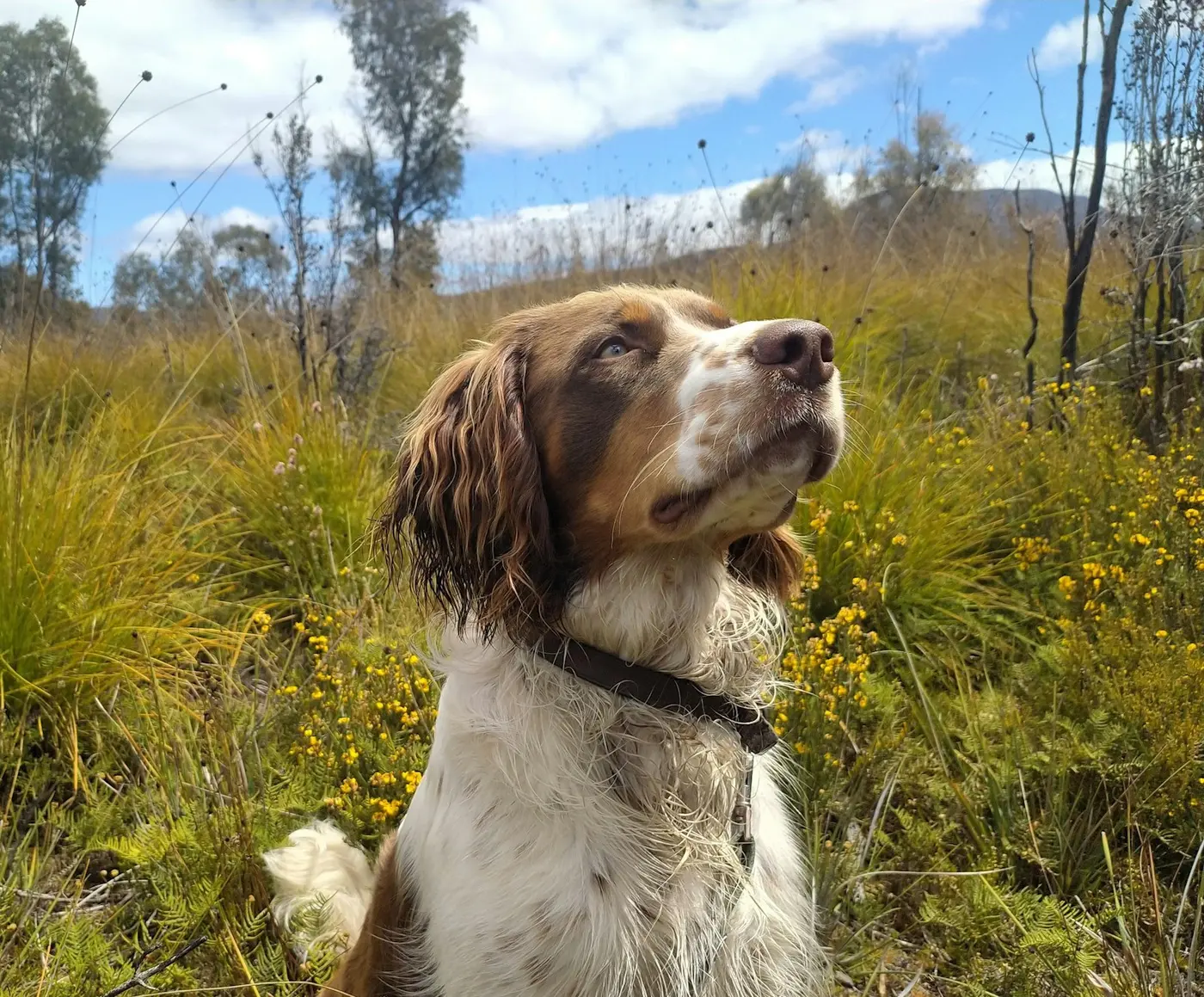
Exploring forests, meadows and trails with your dog is one of the great pleasures of travel. But these environments also harbor external parasites — ticks and fleas first among them — that take advantage of every walk to settle into your companion’s coat. Beyond simple nuisance, these parasites can transmit diseases that are sometimes serious. The good news is that well-managed prevention and a few habits after every outing are enough to protect your dog effectively. Here’s how to go about it, from prevention to removing a tick.
This article is for information purposes and does not replace the advice of a veterinarian.
Why protect your dog from ticks and fleas while traveling?
Because these parasites are not just a nuisance: they can transmit serious diseases. Ticks are notably vectors of babesiosis (piroplasmosis), Lyme disease and ehrlichiosis, while fleas cause itching and allergies and can transmit certain worms. On a trip, your dog explores new areas whose parasite pressure you don’t know, which increases the risk of exposure.
Warm, humid regions, undergrowth, tall grass and areas frequented by other animals are particularly favorable to ticks. Depending on your destination, some diseases may even be more prevalent than around your home. That’s why anticipating protection before departure and staying vigilant on site make all the difference for your companion’s health.
How do you prevent infestations before and during the trip?
Prevention rests above all on a suitable, up-to-date parasite treatment. Before leaving, ask your veterinarian for advice: they will choose the most relevant product based on your destination, the length of the stay, and your dog’s weight and health. Parasite preventives come in various forms (spot-ons, chewable tablets, collars) and their effectiveness depends on rigorous use.
A few good practices:
- Review things with your veterinarian several weeks before departure, especially for a destination with specific risks.
- Scrupulously respect the prescribed application frequency and dosage.
- Where possible, avoid heavily infested areas during peak parasite activity.
- Brush your dog regularly to spot parasites quickly.
No product offers 100% protection, hence the importance of combining treatment with regular checks. Also remember to slip the useful tools into your dog first-aid kit.
How do you check your dog after a walk?
Check your dog systematically after every outing in a natural setting, ideally as soon as you’re back. Ticks generally take several hours to attach and transmit any pathogens: removing them quickly therefore reduces the risk. A careful inspection, by hand and by eye, is your best ally.
Focus your attention on the spots where ticks like to settle:
- The head, ears and around the eyes.
- The neck, chest and armpits.
- The inner thighs and groin.
- Between the paw pads and toes.
- Under the collar and in dense fur.
Run your fingers against the grain of the coat to feel for small bumps. Take the opportunity to check for fleas, recognizable by their blackish droppings in the coat. These habits are all the more useful during a countryside weekend with your dog, where exposure is at its highest.
How do you remove a tick correctly?
Remove a tick as early as possible, using a tick hook, without crushing it or numbing it with a product. Using ether, alcohol or regular tweezers is not recommended, as it can make the tick regurgitate and increase the risk of transmission. The hook, sold in pet stores and pharmacies, allows a clean, complete removal.
Here’s the procedure:
- Slide the prongs of the hook on either side of the tick, as close to the skin as possible.
- Rotate the hook gently, without pulling, until the tick detaches on its own.
- Check that the head has been fully removed, with no fragment left in the skin.
- Disinfect the bite area with a suitable antiseptic.
- Dispose of the tick and wash your hands.
Then monitor the area for a few days. If persistent redness appears, or if your dog shows fever, lethargy, loss of appetite or dark urine in the days or weeks that follow, see a veterinarian without delay.
What signs should alert you after a tick bite?
Several symptoms, sometimes delayed by days to weeks, should prompt you to consult. Tick-borne diseases can progress silently before showing themselves, hence the importance of staying attentive after any removal.
Watch for:
- Fever, marked lethargy or loss of appetite.
- Dark urine, a possible sign of babesiosis.
- Limping, swollen joints or unexplained fatigue.
- Persistent redness or inflammation at the bite site.
At the slightest doubt, contact your veterinarian and mention the recent bite and your travel destination: this information will help guide their diagnosis. Early treatment markedly improves the prognosis.
Sources
Frequently asked questions
How often should parasite treatment be renewed while traveling?
The frequency depends on the product used and your destination: it ranges from a few weeks to several months depending on the formula. Respect the stated duration of effectiveness and your veterinarian's advice, especially for an extended stay or a high-risk area. An expired treatment no longer protects your dog.
Can you use a cat parasite treatment on a dog?
No, never. Some parasite treatments meant for dogs contain substances toxic to cats, and the dosages differ. Only use products prescribed or approved for your dog, matched to its weight, and ask your veterinarian if in doubt.
Should I apply a product to the tick before removing it?
No. Applying ether, alcohol or any other product can make the tick regurgitate and increase the risk of disease transmission. Remove it mechanically with a tick hook, without numbing or crushing it, then disinfect the area.
My dog is treated — should I still check it after every walk?
Yes, absolutely. No parasite treatment offers total protection, and checking lets you quickly remove any tick before it transmits a disease. This habit complements the treatment and remains essential, especially in natural settings.