
A Countryside Weekend with a Dog: Rentals and Nature
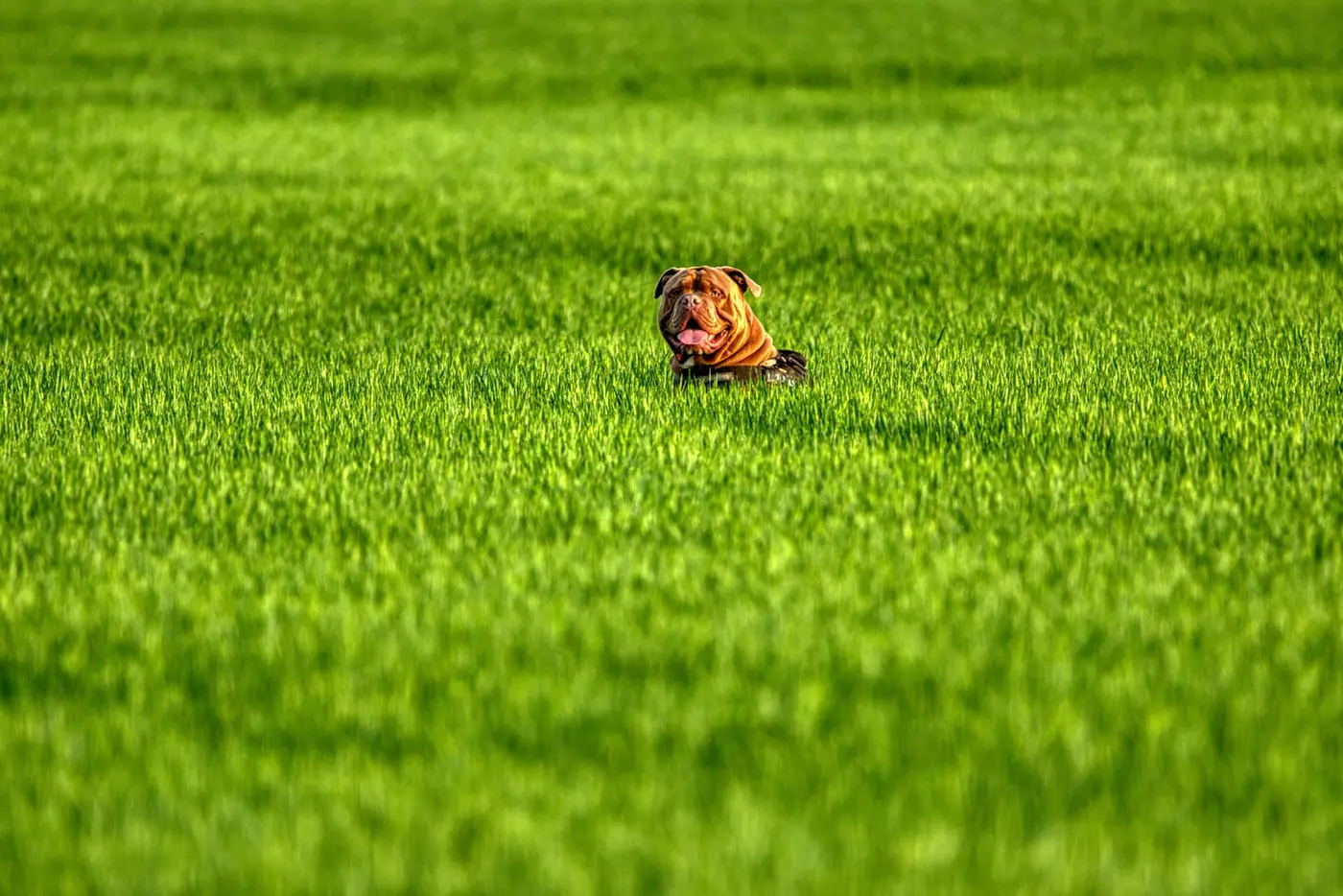
A countryside weekend gives your dog exactly what they love: space, new smells and time to run. Away from the urban bustle, nature is the perfect setting to recharge together. But it has its own rules: cultivated fields, livestock, wildlife and parasites call for a few precautions. Well prepared, this getaway becomes a slice of freedom; poorly planned, it can lead to conflicts with farmers or minor health troubles. Here’s how to choose your rental, plan your walks and make the most of the countryside.
How do you choose a rental that accepts dogs?
Always confirm ahead of time that the accommodation accepts dogs and read its conditions carefully, because the rules vary a lot from one rental to another. A booking confirmed in writing prevents unpleasant surprises on arrival.
Some rentals limit the number or size of dogs, charge a supplement, or put certain rooms and the furniture off-limits. Also ask about the immediate surroundings: fenced yard, farm animals nearby, accessible walking trails.
- Confirm in writing that the dog is accepted, along with any supplements.
- Ask whether the yard is fenced and secure.
- Check the house rules (permitted rooms, furniture, sleeping arrangements).
- Locate the essentials nearby: the closest veterinarian, trails, water sources.
To compare options and prepare your choice, see our guide to choosing dog-friendly accommodation.
Which walks should you favor in the countryside?
Favor rural lanes, forests and marked trails, keeping your dog under control near cultivated land and livestock farms. The countryside is a workplace for farmers, and it deserves respect.
Hiking trails and woods are an ideal playground for a dog with solid recall. Stay alert when crossing fields: don’t let your dog trample crops or wander into hay meadows. Adjust the length of your walks to their fitness and the weather.
- Stick to marked trails and open rural lanes.
- Avoid cultivated fields and hay meadows.
- Match the distance to their age, fitness and the heat.
- Carry water and a collapsible bowl for longer outings.
If you enjoy this kind of outdoor getaway, you’ll probably like our guide to camping with a dog, another great way to experience nature.
How do you respect livestock and wildlife?
The leash is essential whenever you approach herds, livestock farms or areas that are sensitive for wildlife. A dog that chases livestock or game can cause serious accidents and make you liable.
Keep your dog firmly leashed near sheep, cattle and horses: letting a dog roam is prohibited in many rural areas, and a dog that frightens a herd can injure the animals — in extreme cases, some jurisdictions even allow the farmer to shoot it. If you encounter a livestock guardian dog, stay calm, give it a wide berth and don’t run. Also respect sensitive periods for wildlife.
- Leash required near herds and livestock farms.
- Never let your dog hunt or chase game.
- Respect signage and protected areas.
- Always close gates and fences behind you.
How do you protect your dog from ticks and parasites?
Inspect your dog’s coat after every walk and keep their parasite protection up to date, because the countryside is prime tick territory. Tall grass, undergrowth and field edges are particular hot spots.
Before departure, check with your veterinarian that the parasite treatment is suitable and current. After each walk, run your fingers through the coat, focusing on the ears, neck, armpits and between the toes. If you find a tick, remove it quickly with a proper tick tool, without crushing it.
- Apply a suitable parasite preventive before the trip.
- Inspect the coat after every outing, warm spots first.
- Remove ticks with a tick-removal hook, as close to the skin as possible.
- Watch for redness or fatigue over the following days, and see a vet if needed.
In summer, also beware of foxtails — those small dry grass seed heads that cling to the coat and can burrow into the skin, the ears or between the toes.
What should you pack for the weekend?
The essentials come down to recreating your dog’s familiar landmarks and covering nature’s small surprises. With their bed, bowls and usual food, they’ll adapt quickly to a new place.
Bring their usual food to avoid digestive upsets, something to keep them hydrated on walks, and a basic first-aid kit. Don’t forget their health record and the contact details of a veterinarian near the rental.
- Bed, toys and familiar objects to reassure them.
- Usual food, bowls and a water supply.
- Leash, long line and harness for walks.
- Care kit: tick remover, disinfectant, poop bags.
- Health record and the contact of a local veterinarian.
To find rentals and addresses that welcome animals, specialized platforms like Stay With Bailey can make your search easier.
Sources
Frequently asked questions
Can my dog run free in the countryside?
Only in a secure area or well away from any livestock, crops and wildlife, and only if their recall is reliable. Letting a dog roam is prohibited in many rural areas, and near livestock the leash is essential. When in doubt, keep your dog leashed to avoid accidents and conflicts with farmers.
How do I remove a tick from my dog?
Use a dedicated tick-removal hook, slide it as close to the skin as possible and twist gently to remove the whole tick without crushing it. Then disinfect the area and watch how it looks over the following days. If redness or unusual fatigue appears, see your veterinarian.
Do I need a specific parasite treatment for the countryside?
An up-to-date parasite preventive suited to your dog is strongly recommended, because ticks and fleas are common in rural areas. Ask your veterinarian for the protection best suited to your destination and the season, and apply it before departure.
Do all rentals accept dogs?
No, conditions vary: some rentals limit the size or number of dogs, charge a supplement or put certain rooms off-limits. Always confirm in writing that dogs are accepted before booking, and check whether the yard is fenced for your dog's comfort.