
Camping with Your Dog: Tips and Best Practices
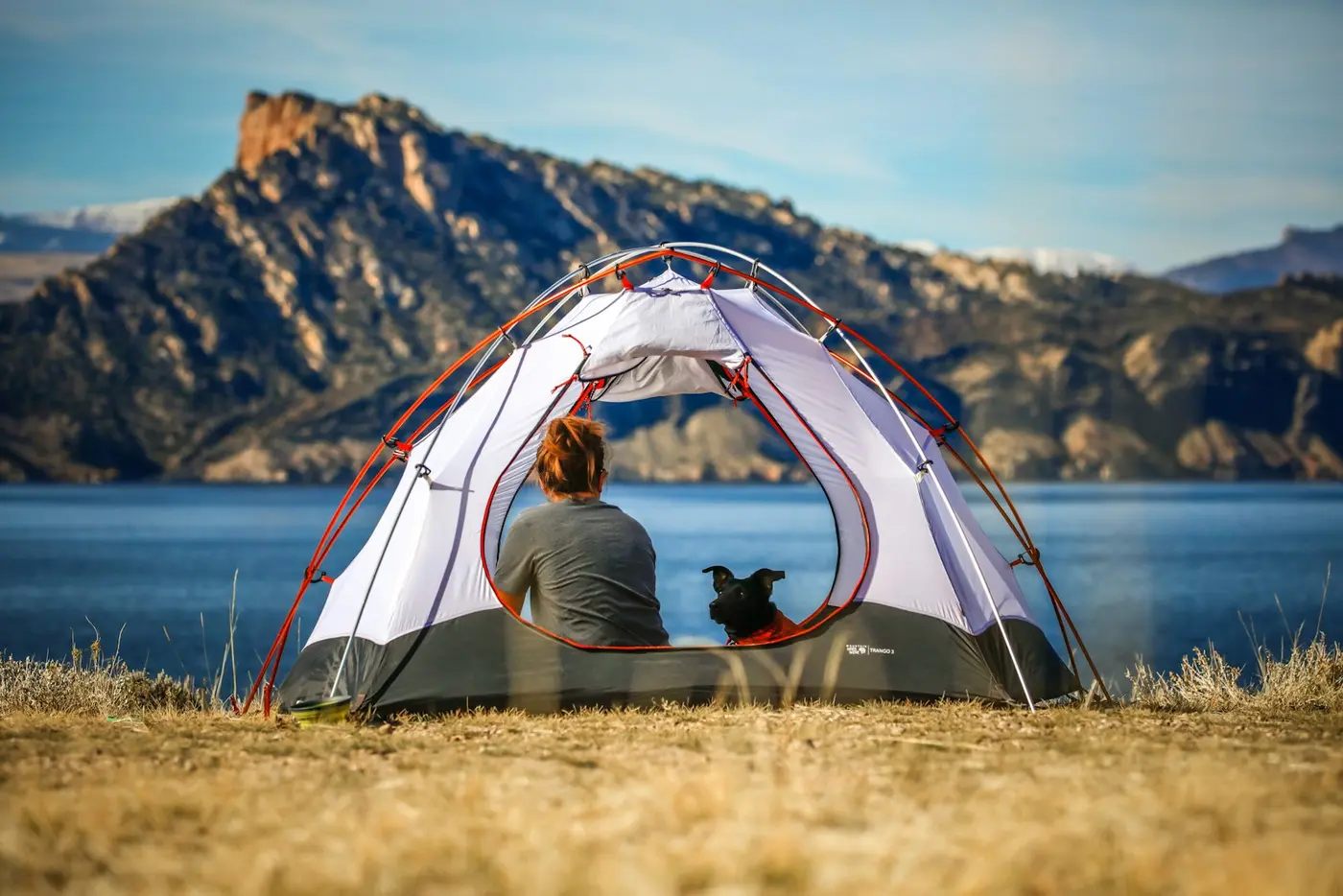
Camping is one of the most natural ways to travel with your dog: wide-open spaces, outdoor living, walks right from the campsite. But shared spaces, summer heat and a new environment call for a few precautions. A well-prepared dog experiences camping as a grand adventure; a stressed or poorly settled dog can bother the neighbors and suffer in the heat. Here’s how to choose your campground, set up camp and enjoy peaceful nights with your companion.
How do you choose a campground that accepts dogs?
Always verify ahead of time that the campground accepts dogs and read its conditions carefully — “pets allowed” doesn’t mean “no rules.” Many properties apply specific restrictions.
Some campgrounds limit the number of dogs, charge a pet fee, require up-to-date vaccination records, or refuse certain restricted “dangerous” breed categories (rules vary by country and property). Also ask about the areas dogs can access: the pool, the restaurant and some play areas are usually off-limits to animals.
- Confirm pet acceptance and any fees by phone or email.
- Ask about required documents (vaccination, ID, sometimes insurance).
- Check the off-limits areas and leash rules.
- Choose a shaded site away from foot traffic if your dog is reactive.
To compare your options properly, also see our guide to choosing dog-friendly accommodation.
What should you pack for your dog when camping?
The essentials come down to recreating their familiar cues: their bed, their bowls, their usual food and something to tether them with. A dog settles in quickly when surrounded by familiar objects.
Bring enough water and their usual food to avoid the digestive upsets that come with a sudden diet change. Plan a tie-out system (stake and long line) to keep them near the site without letting them roam.
- Bed and familiar objects: crate pad or bed, blanket, toys to reassure them.
- Bowls and water: a supply of fresh water available at all times.
- Their usual food: enough for the whole stay.
- Tie-out: a screw-in stake and long line to stay near the tent.
- Care kit: tick remover, parasite preventive, disinfectant.
- Waste bags: pick up after your dog everywhere on the grounds.
How do you set up camp with a dog?
Settle your dog in a shaded corner, away from busy paths, with water always available. The goal is to create a calm space where they feel safe.
If possible, choose a site sheltered from the sun during the hottest hours and clearly define “their” zone. Let them explore the area around camp on leash so they get used to the smells and sounds, then set up the tie-out for the times you’re staying put.
- Place their bed in the shade, near your tent.
- Check that they can’t slip free or tangle themselves in the line.
- Keep fresh water accessible and refreshed.
- Ease them into the bustle of the campground on the first day.
How do you handle nights and heat in the tent?
The absolute rule: never leave your dog alone shut inside a tent, camper or mobile home in hot weather. The temperature climbs very fast, and heatstroke can be fatal.
During the hottest hours, keep your dog in the shade and with you — never confined in an enclosed space in the sun. At night, set up a cool, ventilated spot for their bed. If your dog barks easily at night, work on habituation beforehand and avoid leaving them alone, out of respect for the neighbors.
- Never shut your dog in the tent or camper in direct sun.
- Watch for signs of heatstroke: heavy panting, lethargy, thick drool.
- Air out and cool their sleeping spot at night.
- Take them out before bedtime for calmer nights.
How do you respect your neighbors and shared spaces?
Respecting quiet and cleanliness is the key to a good stay for everyone. At a campground, your dog shares the space with many families.
Keep your dog on leash on paths and in common areas, always pick up after them, and keep barking in check — especially early morning and evening. Don’t leave them alone if they bark or destroy things in your absence: it disturbs the neighbors and stresses the dog.
- Leash required in most common areas.
- Always pick up waste.
- Watch the barking during quiet hours.
- Don’t let the dog wander onto other sites.
Camping pairs naturally with other kinds of nature getaways: also see our guide to a countryside weekend with your dog. To find pet-friendly places to stay, specialized platforms like Stay With Bailey can help.
Sources
- Campground pet policies (each property publishes its own rules — always confirm before booking)
- CAPAE — Animal and Environmental Poison Control Center
- French National Order of Veterinarians
Frequently asked questions
Do all campgrounds accept dogs?
No, pet policies vary from one property to another, and some refuse dogs entirely or in part. Many charge a pet fee, require proof of vaccination and ban animals from the pool or the restaurant. Always check the exact conditions before booking.
Can I leave my dog alone at the campsite?
Better to avoid it, especially in hot weather or if they bark when you're away. Never leave them shut inside a tent, camper or mobile home in the sun — heatstroke can be fatal. For short absences, use a tie-out in the shade with water available, and stay mindful of your neighbors' comfort.
What documents do I need for my dog at a campground?
Most campgrounds ask for up-to-date vaccination records — rabies in particular, depending on the property — and identification by microchip or tattoo. Some also require proof of liability insurance. Ask when booking so you can prepare everything.
How do I avoid ticks while camping?
Treat your dog with an appropriate parasite preventive before you leave and inspect their coat every evening, especially after walks through grass or woods. If you find a tick, remove it quickly with a proper tick tool. Ask your veterinarian which protection best suits your destination.