
Caring for Your Dog's Paw Pads After a Hike or the Beach
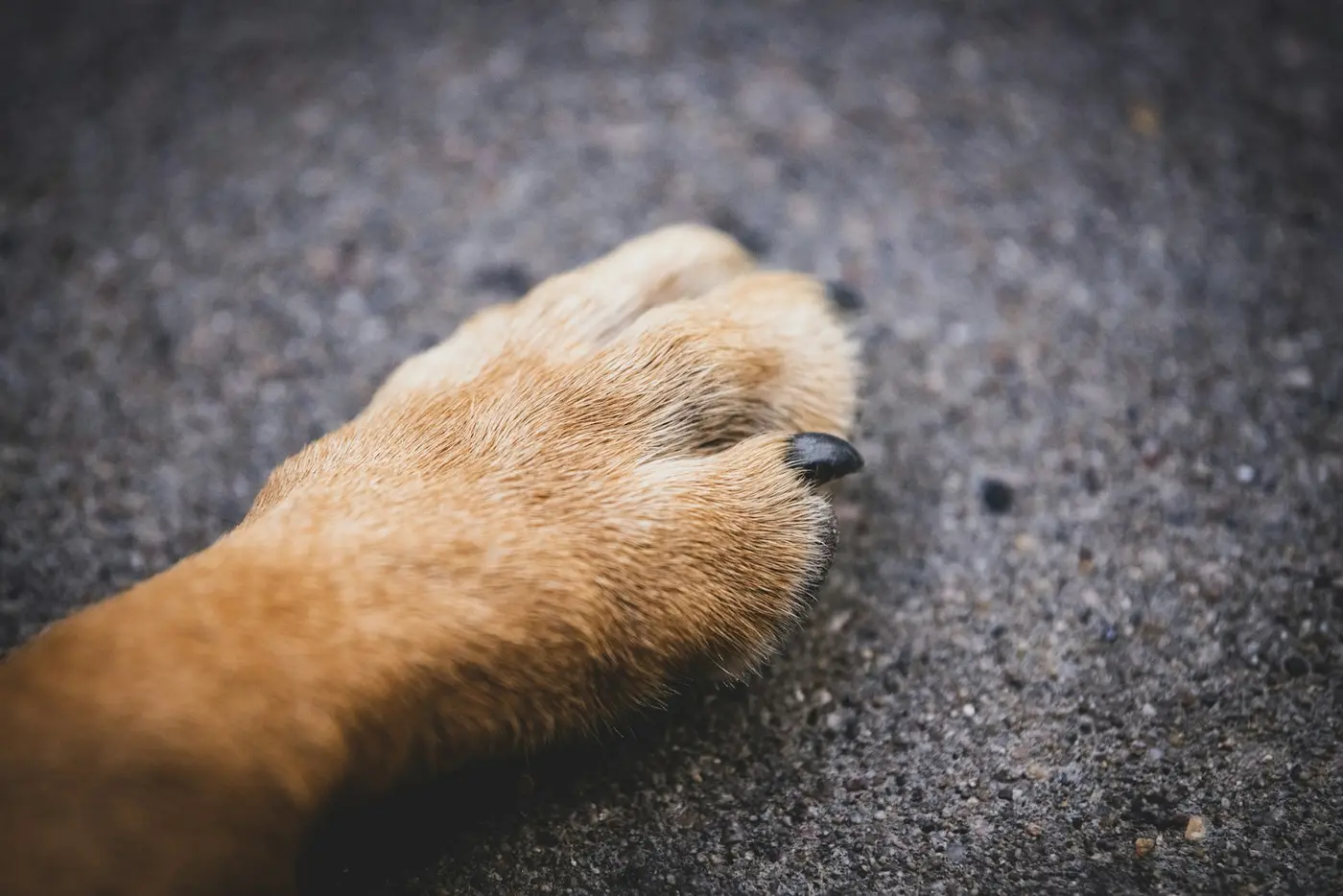
Paw pads take a beating on a trip: rocks, hot sand, salt, long distances. Simple aftercare following the effort prevents injuries and keeps your dog on its feet.
This article is for information only and does not replace advice from a veterinarian.
Inspect and clean
After a hike or an outing to the beach, examine each pad and the space between the toes: stones, sand, salt, foxtails, cuts or cracks. Rinse with fresh water after the sea (salt and sand irritate and dry out the skin), dry, and gently remove any surface debris.
Moisturize and repair
Dry pads crack. A repair balm for paw pads (based on waxes and oils) moisturizes and forms a protective film; apply it after cleaning, ideally in the evening at rest. On harsh or hot terrain, boots protect ahead of time.
When to see a vet
A superficial cut just needs cleaning and monitoring. On the other hand, a deep wound, bleeding that won’t stop, limping that lasts, a burned pad (asphalt, overheated sand) or an embedded foreign body warrant a veterinary visit. A paw pad burn is painful and gets infected easily.
Sources
See our guide to protecting dog paws from hot pavement. General recommendations; consult a vet for any wound.
Frequently asked questions
How do I care for paw pads after the beach?
Rinse with fresh water to remove salt and sand, dry, inspect, then apply a repair balm. Watch for any cut or irritation.
Do I need a balm for paw pads?
Useful for moisturizing and protecting pads that are dry or heavily used (hiking, heat, cold). On harsh terrain, boots add a layer of protection.