
Traveling with a Puppy: Precautions and the Right Steps
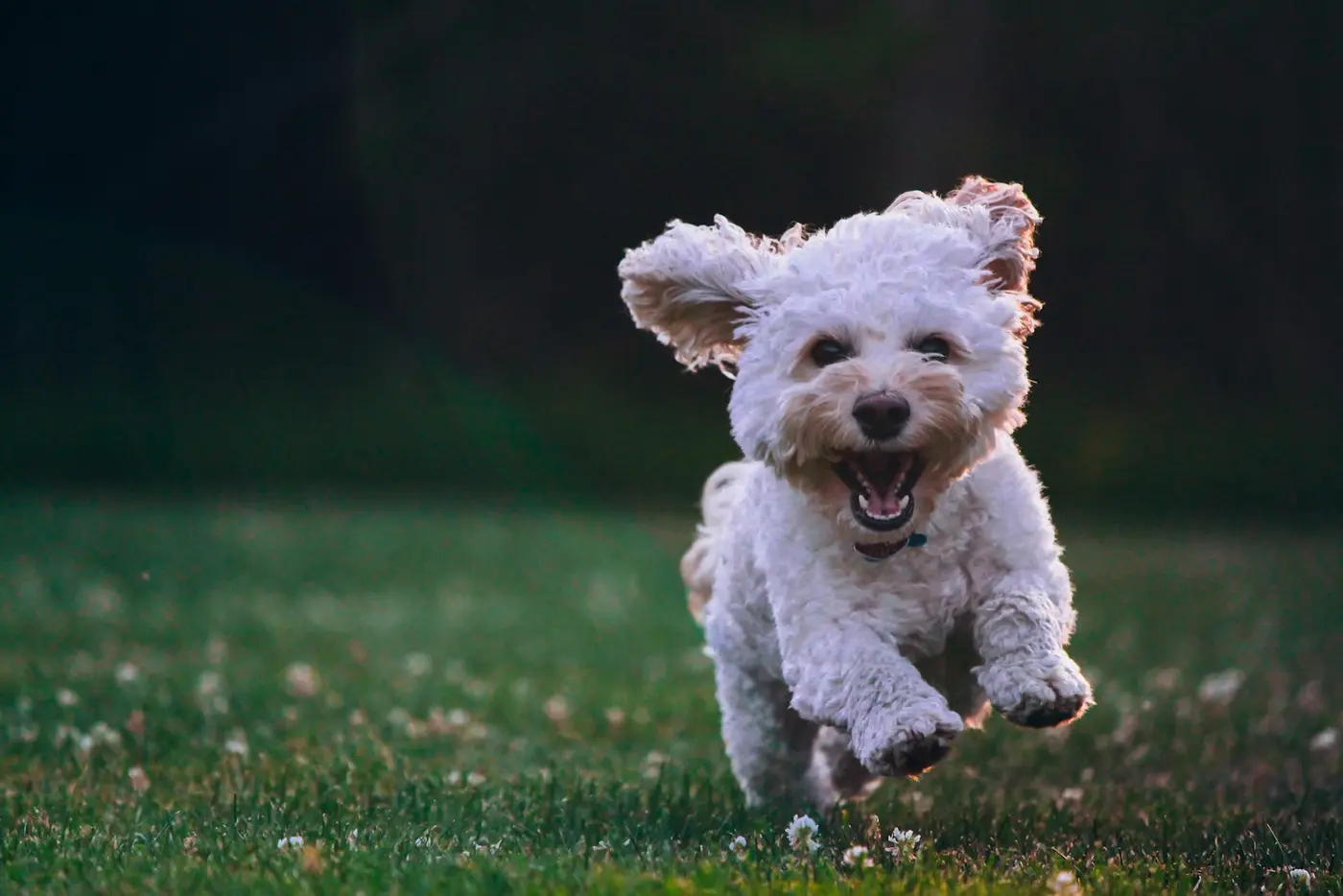
Taking your puppy on a trip is a wonderful opportunity to open its eyes to the world and build a strong bond. But a young dog is not a miniature adult: its body, its immune defenses and its attention span are still under construction. Traveling with a puppy therefore calls for a few precautions, from the right vaccine timing to managing trips and hygiene. Well prepared, these first outings become positive experiences that will make every future trip easier. Here are the key steps for leaving with peace of mind.
This article is for informational purposes and does not replace the advice of a veterinarian.
At what age can a puppy start traveling?
A puppy can start traveling once its vaccination protocol is far enough along — something only your veterinarian can confirm. Before that protection is in place, its immune defenses remain fragile, and exposure to environments frequented by other animals carries a risk. The vaccination schedule generally begins in the first weeks of life and continues with boosters: until it’s complete, limit contact with high-risk places.
Before the first trip, review the following with your veterinarian:
- How far along the vaccines and any boosters are.
- Whether a parasite treatment suited to the destination is needed.
- Identification (microchip) and, for international travel, the required travel document (EU pet passport or health certificate).
- Your puppy’s overall fitness for the planned trip.
This preliminary check-up is the chance to adapt your plans to your companion’s age and health. For a very first family getaway, our guide to your first vacation with your dog usefully rounds out this advice.
How do you manage trips with a young dog?
Favor short trips at first, with frequent breaks suited to a puppy’s limited endurance. A young dog tires quickly, has a small bladder and doesn’t tolerate staying still for very long. The goal of the first outings isn’t distance — it’s the quality of the experience.
A few guidelines:
- Start with very short trips to pleasant places, then lengthen them gradually.
- Plan regular breaks so your puppy can stretch its legs, drink and relieve itself.
- Settle it into a secure, comfortable setup, such as a travel crate suited to its size.
- Avoid a big meal right before departure, to limit motion sickness.
Many puppies are apprehensive about the vehicle at first. A gradual, gentle habituation keeps that apprehension from turning into real fear: our guide to dog travel anxiety covers this desensitization step by step.
What hygiene precautions should you take with a puppy on a trip?
Hygiene is paramount, because a puppy’s immune system is still immature and more vulnerable to infections. Until its vaccination is complete, avoid places heavily frequented by other dogs, such as rest areas or dog parks, where more pathogens circulate.
To protect it:
- Have it relieve itself in clean areas little frequented by other animals.
- Clean its bowls regularly and keep its food properly stored.
- Bring something to dry and warm it if it gets cold or wet.
- Watch for any unusual sign: diarrhea, vomiting, lethargy, loss of appetite.
At the slightest worrying symptom in such a young animal, don’t wait — contact a veterinarian: a puppy weakens faster than an adult, especially when dehydration sets in.
How do you reassure a puppy on its first trips?
Emotional comfort comes from familiar reference points and a calm attitude on your part. A puppy is discovering everything for the first time: an object carrying the scent of its usual environment helps it feel safe in the unknown.
To soothe it:
- Bring its blanket, its bed or a familiar toy it recognizes.
- Keep its meal and sleep schedule as consistent as possible.
- Pair trips with positive moments: walks, play, familiar treats.
- Stay calm and patient; your puppy picks up on your emotions and adjusts to them.
These first experiences, lived calmly, build confidence. A puppy that learns early that traveling means pleasant adventure has every chance of becoming a relaxed adult on the road.
What mistakes should you avoid with a puppy on the move?
The most common mistake is trying to go too fast, imposing long trips or overstimulating environments. A puppy needs gradual progression: forcing a step can create fatigue, stress and lasting negative associations. Better to multiply brief, successful experiences.
Among the traps to avoid:
- Neglecting vaccines or veterinary advice before departure.
- Leaving the puppy alone in a vehicle, especially in warm weather, which is extremely dangerous.
- Piling on too many new things at once (long trip, crowds, other animals).
- Abruptly changing its food during the trip.
If in doubt about your puppy’s fitness for a given trip, ask your veterinarian. Matching your ambitions to its young age gives it the best possible foundation for a lifetime of travel.
Sources
Frequently asked questions
Can my puppy travel before having all its vaccines?
It's best to wait until the vaccination protocol is far enough along, which your veterinarian will confirm. Before that protection is in place, avoid places frequented by other animals. An essential trip is still possible if you strictly limit contact, but always ask your veterinarian first.
How long should a first trip with a puppy be?
Start with very short trips of a few minutes to a pleasant place, then lengthen them gradually based on your puppy's tolerance. Plan frequent breaks so it can drink, stretch its legs and relieve itself. Consistency and gentleness matter more than distance.
Does a puppy need a passport to travel internationally?
To move within the European Union, a dog must be microchipped, vaccinated against rabies and carry an EU pet passport (or the equivalent health certificate for dogs arriving from outside the EU), subject to a minimum age. Rules vary by country and requirements can change: check with your veterinarian and the relevant authorities before departure.
How do I prevent motion sickness in a puppy?
Avoid feeding a big meal right before the trip, ensure good ventilation and get your puppy used to the vehicle gradually. Short, repeated trips and positive associations help both body and mind adapt. If the trouble persists, talk to your veterinarian.