
Dog Separation Anxiety on Vacation: How to Prevent the Stress
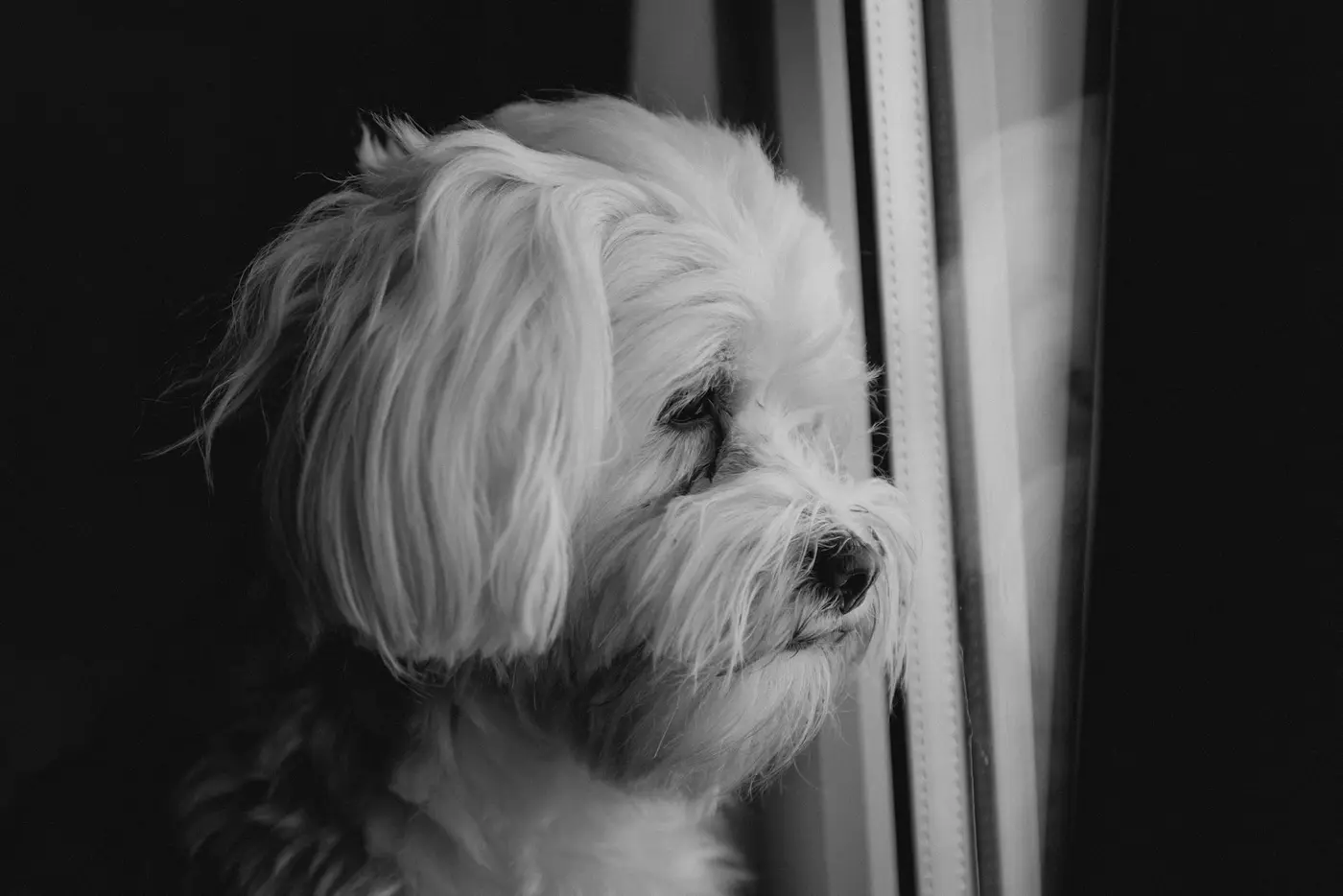
On vacation, a dog loses their bearings: new lodging, new noises, a different rhythm. A dog prone to separation anxiety may struggle with the moments when they’re left alone. A little preparation goes a long way toward limiting the stress.
This article is for information only and does not replace advice from a veterinarian.
Recognizing separation anxiety
It shows up when the dog is left alone: barking or howling, destruction (especially near exits), unusual house soiling, drooling, restlessness. On vacation, an unfamiliar environment can amplify these reactions, even in a dog who is usually relaxed.
Recreate familiar cues
Bring their usual bed (unwashed, to keep the scent), a familiar toy, and stick to their routines as much as possible (meal times, walk times). These anchors help them feel safe in a new place.
Build up alone time
In the vacation rental, gradually get them used to staying alone: a few minutes at first, then longer, leaving them something to do (a treat-dispensing toy). Keep departures and returns low-key so the separation isn’t a big event. A dog tired out by a good walk settles down much more easily.
Sources
General behavioral recommendations. For pronounced anxiety, consult a veterinarian.
Frequently asked questions
How do I get my dog used to staying alone on vacation?
Go step by step: short absences first, leaving a busy toy and their familiar things, then gradually lengthen the time — without making a big deal of departures.
My dog destroys everything when I leave: what should I do?
That's often a sign of separation anxiety. Recreate their familiar cues, build up alone time gradually, and see a veterinary behaviorist if it's pronounced.