
Dog Ramps and Steps: Helping Your Dog Get Up Safely
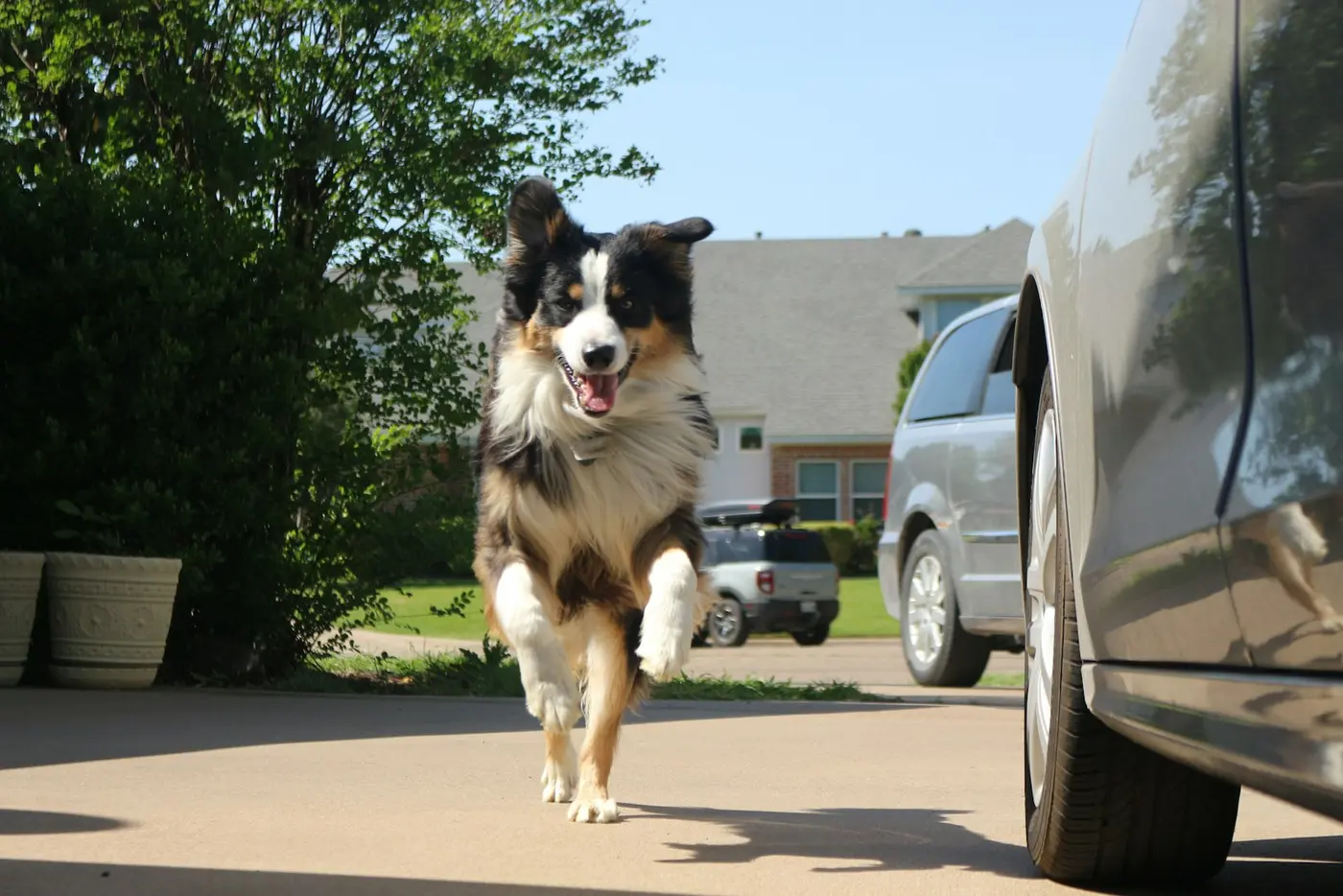
Jumping into the trunk or onto the bed day after day wears down the joints, especially in growing puppies, senior dogs, long-backed breeds (dachshunds, bassets), and large dogs. A ramp or a set of steps prevents these repeated micro-traumas.
Ramp or steps?
The ramp (an inclined plane) suits higher climbs (SUV or station wagon trunk) and dogs that can no longer bend their legs; it needs a bit of space. Steps suit lower heights (bed, couch, smaller car) and store away easily. In every case, the surface must be non-slip.
The safety points
Check the maximum load (suited to your dog’s weight), the stability (non-slip feet, locking mechanism), and the angle: a ramp that’s too steep discourages the dog. A foldable, lightweight model is more practical for travel.
Getting your dog used to it
Many dogs are wary of the ramp at first. Lay it flat, let your dog explore it with treats, then increase the incline gradually. Never force it: the goal is for them to use it with confidence.
Sources
General joint-health prevention advice. If your dog is limping or in pain, see a veterinarian.
Frequently asked questions
At what age should you start using a ramp?
From puppyhood for large breeds and long-backed breeds, to protect growing joints. Also useful for any senior or arthritic dog.
Can a ramp hold a large dog?
Yes, as long as you respect the stated maximum load. Check that figure before buying for dogs over 30 kg (66 lb).