
Choosing the Right Travel Leash, Collar, and Harness for Your Dog
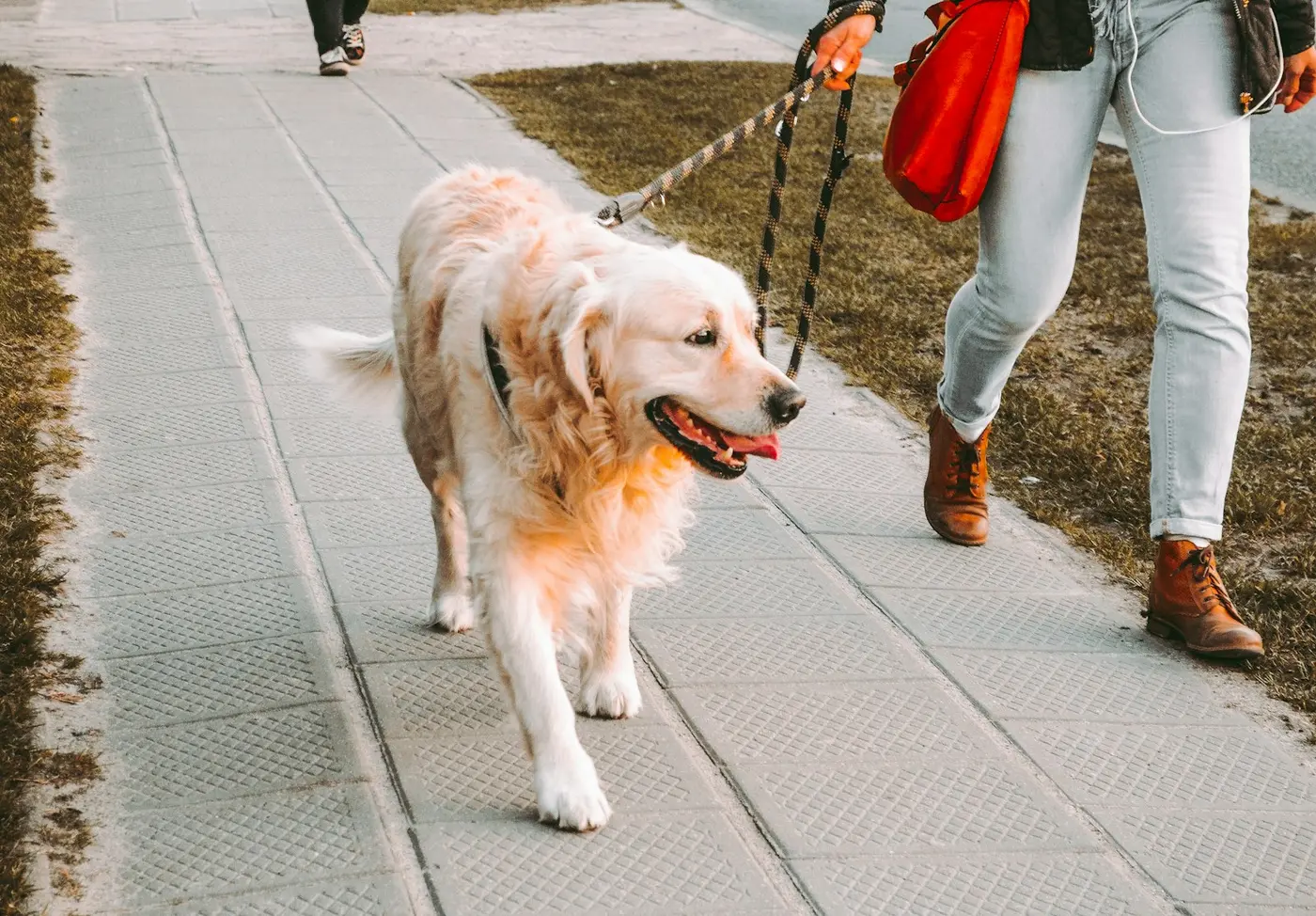
When you travel, the leash-collar-harness trio is your safety link to your dog in an unfamiliar environment. Good gear prevents escapes and keeps walks comfortable for both of you.
Collar or harness: which should you choose?
The collar works for carrying the ID tag and for dogs that walk nicely on a leash, but it puts pressure on the neck whenever the dog pulls. The harness spreads the force across the chest: it’s safer and more comfortable for travel, especially for dogs that pull, breeds with fragile tracheas, or brachycephalic (short-muzzled) dogs. Many owners keep the collar (for the tag) and a harness for walks.
Fitting the harness properly
A poorly adjusted harness injures the dog or lets them slip out. Adjust each strap so you can slide two fingers underneath — no more. Check that it doesn’t rub under the armpits and that the dog can’t back out of it. Remember to readjust it after a bath or a grooming trim.
Which leash for travel?
A leash of about 1.5 m (5 ft) in nylon or biothane (water-resistant, easy to clean) is the best compromise. Add a long line of 5 to 10 m (16 to 33 ft) to give your dog some freedom in areas where it’s allowed. Avoid retractable leashes in cities and near roads: they offer little control.
Sources
General dog-gear recommendations and feedback from traveling owners. Adapt the gear to your dog’s size and behavior.
Frequently asked questions
Does my dog need an ID tag if they're microchipped?
Yes: reading a microchip requires a scanner, while a tag with your phone number lets anyone who finds your dog reach you immediately.
Does a no-pull harness stop a dog from pulling?
It reduces pulling (especially with a front clip on the chest) but doesn't replace loose-leash training.