
Cold Exposure and Hypothermia in Dogs
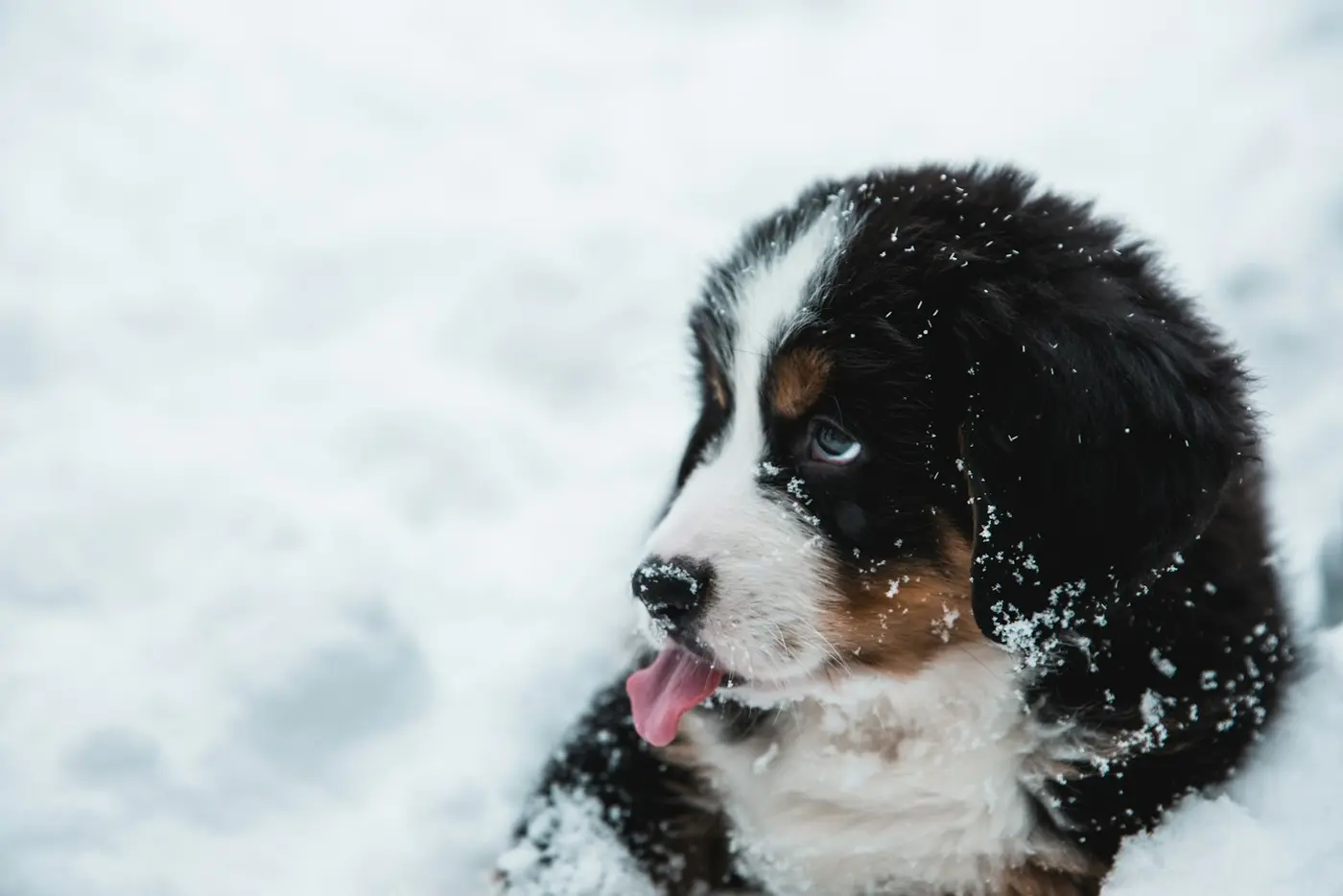
Just like heat, cold carries risks, especially for certain dogs. In the mountains, in winter or after a swim in cold water, a dog can chill dangerously fast. Knowing how to spot the signs prevents hypothermia.
This article is for informational purposes and does not replace advice from a veterinarian.
Which dogs are most sensitive?
Small dogs, dogs with a short coat or no undercoat, puppies, senior, thin or sick dogs cool down faster. Nordic breeds (husky, malamute) tolerate cold better. Dampness and wind make the cold feel worse for every dog.
Recognizing the signs
A cold dog shivers, curls up into a ball, becomes lethargic, has cold extremities (ears, paws) and a stiff gait. With more marked hypothermia: weakness, slowed breathing and heart rate, disorientation — that’s an emergency.
Warming up and prevention
Bring the dog inside, dry them off if they’re wet, wrap them in a blanket and settle them in a mild room: warming must be gradual. For prevention, a coat helps sensitive dogs, limit time outdoors in severe cold, and avoid swims in icy water. Also protect the paw pads from de-icing road salt.
Sources
General veterinary recommendations. In case of hypothermia, seek emergency care.
Frequently asked questions
Does my dog need a coat?
Small dogs, short-haired, senior or sick dogs benefit from one in very cold weather. A husky or a shepherd with a thick undercoat generally doesn't need one.
What should I do if my dog is very cold?
Dry them off, wrap them in a blanket, and warm them up gradually indoors. If they're weak or disoriented, get emergency veterinary care.