
Dog-Friendly Rest Stops: How to Nail the Highway Break
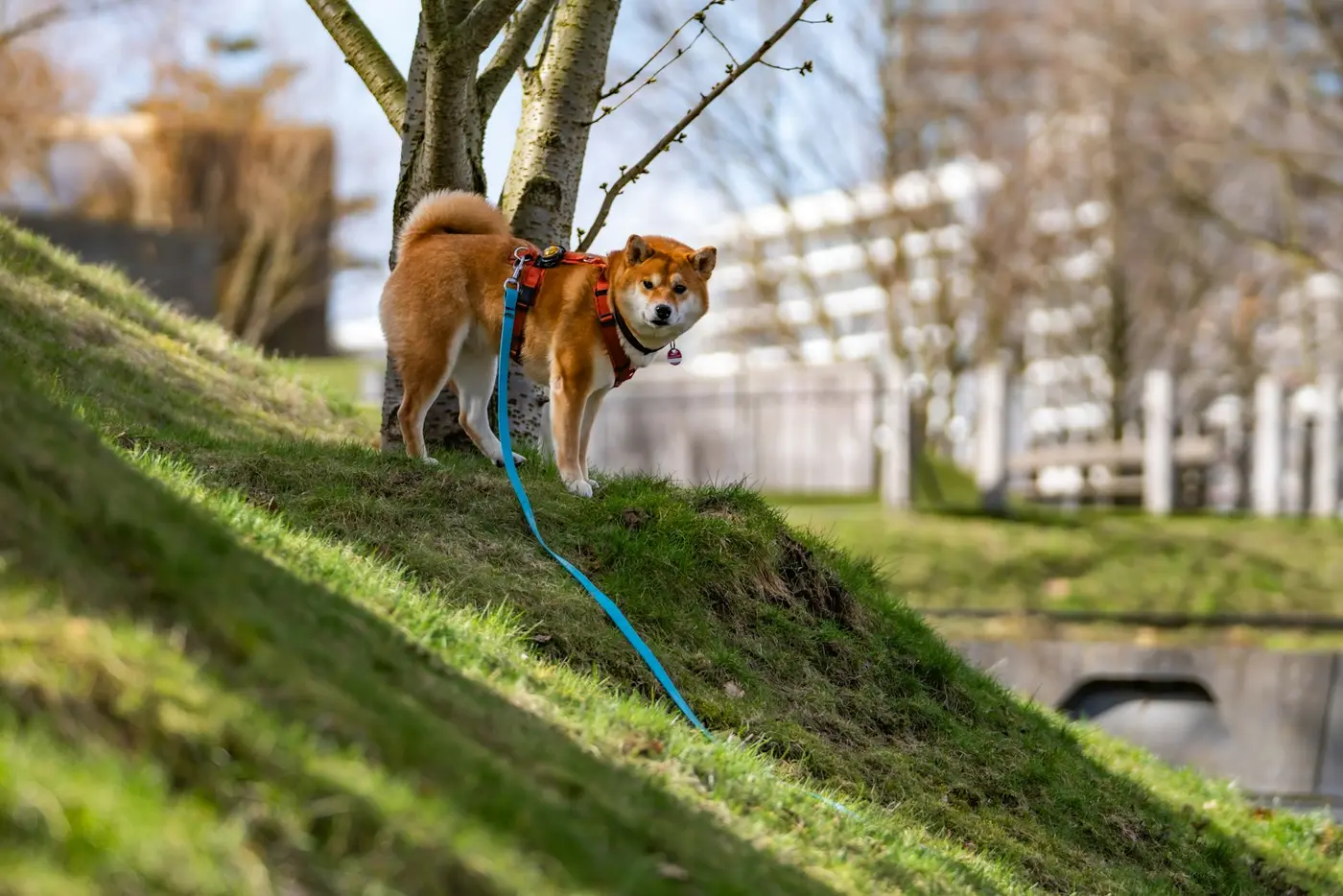
The rest-stop break is a key moment of the drive for your dog: it’s when they drink, relieve themselves, stretch their legs and shake off the tension built up in the car. Managed well, it prevents discomfort, restlessness and accidents. Poorly prepared, it turns into stress — or real danger. This article is for owners heading out on the highway for a vacation or a long trip who want to turn every stop into a genuine breather for their companion. You’ll find the right rhythm, the safety reflexes and the small habits that make all the difference at rest areas.
How often should you stop with your dog?
The ideal is to take a break roughly every two hours, which also matches the rhythm recommended for the driver. That window lets your dog relieve itself, drink and move around before setting off again relaxed.
Adjust the frequency to your companion, though:
- A puppy or a senior dog often needs closer-spaced stops.
- An anxious dog or one prone to motion sickness does better with shorter but more frequent stops.
- In hot weather, multiply the shaded breaks and the water offers.
These breaks fit into a bigger picture: our complete guide to the road trip with a dog covers route planning and the overall rhythm of the trip.
How do you take your dog out safely at a rest stop?
The absolute rule: always take your dog out on a leash. A highway rest stop remains a high-risk environment, right next to moving traffic. A dog that gets loose there can end up in serious danger.
Proceed methodically:
- Park in a quiet spot, away from the traffic lanes.
- Put on the leash and harness before opening the door.
- Have your dog get out on the side away from traffic whenever possible.
- Head for the green spaces or the designated dog area.
- Pick up their waste and drop it in the bins provided.
Keep your dog under control for the entire stop and never unclip the leash in an unfenced area.
What facilities do dog-friendly rest stops offer?
A growing number of rest stops offer dedicated dog areas — sometimes fenced — where dogs can burn off energy safely. In the US these are often the pet-relief areas at rest areas and travel plazas; on many European highways (France is a good example), service areas increasingly feature proper dog-exercise zones. These facilities complement the lawns and paths already found at most stops.
You may find:
- Dog-relief and exercise areas, sometimes fenced, with agility features or water points.
- Lawns and shaded paths for a short walk.
- Water points and waste-bag dispensers, depending on the site.
- Shaded zones to wait out the hottest hours.
Check in advance what the stop you’re aiming for actually offers — facilities vary a lot from one site to the next.
How do you manage hydration and heat?
Water and shade are your priorities, especially in summer: a dog dehydrates and overheats faster than you’d think. Heavy panting, thick drool, lethargy or a wobbly gait are warning signs to take very seriously.
To protect your dog:
- Offer fresh water at every break with a collapsible bowl.
- Park and walk them in the shade as much as possible.
- Avoid the hottest hours by driving early or in the evening in summer.
- Watch their paw pads — hot asphalt can burn them.
Never leave your dog alone in the car in warm weather: the temperature inside climbs within minutes and can cause potentially fatal heatstroke.
What goes in your dog’s break kit?
A small dedicated kit makes every stop quick and simple, with no digging through the trunk. Pack it before departure and keep it within reach in the cabin.
At a minimum, slip in:
- Water and a collapsible bowl.
- The leash, the harness and an ID tag.
- Waste bags and something to clean up a possible accident.
- A towel, a familiar toy and a few treats.
- The first-aid kit and your dog’s documents.
To put these breaks in the context of a safe, comfortable drive, also see our guide to traveling by car with a dog.
Sources
Frequently asked questions
How often should I stop on the highway with my dog?
Plan a break roughly every two hours — the same rhythm recommended for the driver. It gives your dog a chance to drink, stretch and relieve itself. Puppies, senior or anxious dogs may need more frequent stops, and so does hot weather.
Can I let my dog off leash at a rest stop?
No. Always walk your dog on a leash: a rest stop sits right next to traffic lanes, and a dog that gets loose there is in serious danger. Only unclip the leash inside a fully fenced dog area, if there is one. Keep an eye on your dog for the entire stop.
Are there rest stops with dedicated dog areas?
Yes, a growing number of rest stops and service areas offer dog-relief or exercise areas, sometimes fenced, along with lawns, water points and waste-bag dispensers. Facilities vary a lot from one site to another, so check ahead what the stop you're planning to use actually offers.
Can I leave my dog in the car during the break in summer?
No. Never leave your dog alone in the car in warm weather, even for a few minutes. The temperature inside climbs extremely fast and can cause potentially fatal heatstroke. Take your dog with you, or take turns with another passenger.