
City Trips with a Dog: Cafés, Museums and Transit
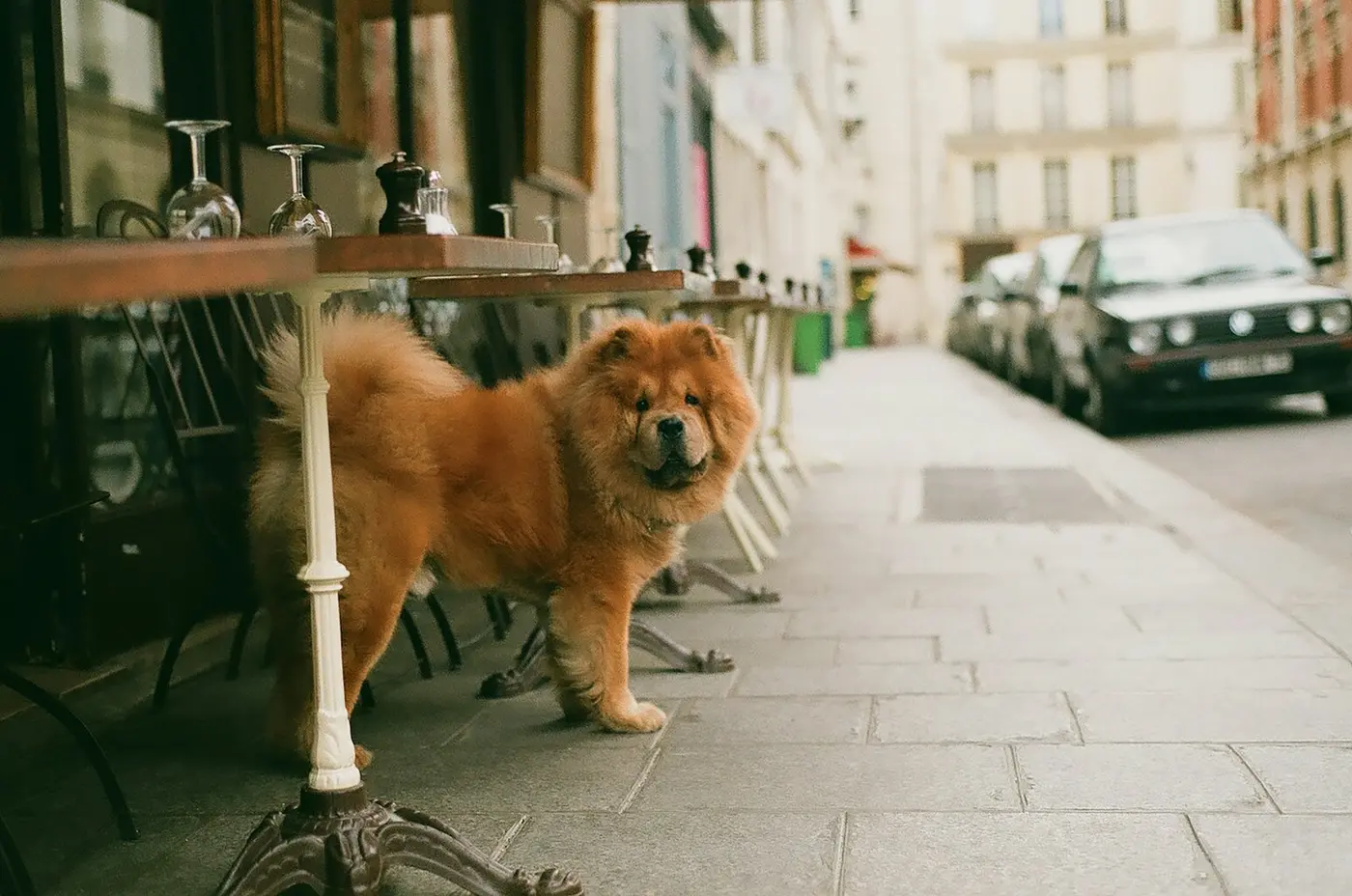
Visiting a city with your dog means introducing them to a world of sounds, crowds and smells very different from nature. Many cities are welcoming to animals these days: shaded café patios, parks, tolerant shops. But scorching pavement, crowds and access restrictions call for some organization. A sociable, well-prepared dog enjoys the city like an enriching walk; a stressed or poorly protected dog can suffer. Here’s how to plan your urban visits so the outing stays a shared pleasure.
Which places in the city accept dogs?
Many outdoor spaces welcome dogs, but access to indoor venues and tourist sites remains very uneven. It’s best to check ahead to avoid unpleasant surprises.
Parks, public gardens, shopping streets and patios are generally the most accessible. Museums, monuments, food shops and some transit systems, on the other hand, apply their own rules. A few museums and sites accept small dogs in a carrier bag, but that’s the exception.
- Café and restaurant patios: often tolerant, but always ask before settling in.
- Parks and gardens: check the permitted areas and opening hours; some require a leash.
- Museums and monuments: mostly off-limits, except guide dogs and rare exceptions; check ahead.
- Shops: varies by store; food shops are generally closed to dogs.
To plan a full getaway, also read our guide to a weekend near Paris with a dog.
How do you protect your dog from hot pavement?
Pavement can reach temperatures that burn paw pads: test it with the back of your hand for a few seconds before letting your dog walk on it. It’s one of the main causes of injury in the city in summer.
During the hottest hours, asphalt stores heat and stays scorching even in the shade. Avoid walks in full sun between 11 a.m. and 5 p.m., favor shade, green areas and light-colored surfaces, and take regular breaks.
- Test the ground temperature before every summer outing.
- Walk early in the morning and in the evening, once the pavement has cooled.
- Seek out shade, grass and fountains.
- Watch for heatstroke: heavy panting, thick drool and lethargy mean you must cool the dog down and see a vet urgently.
Should you carry water and gear on a city visit?
Yes, carrying water is essential, because water sources accessible to dogs are rare in urban settings. A water bottle and a collapsible bowl slip easily into a bag.
Beyond water, pack what you need to handle the surprises of a day in the city. A short leash gives you better control in crowds, and poop bags are non-negotiable.
- Water and a collapsible bowl: offer a drink at every shady break.
- Short leash: to keep control in busy spaces.
- Poop bags: to be used every time, or you risk a fine.
- Foldable mat or blanket: so they can rest at a patio.
- Treats: to reassure them and reward calm behavior.
How do you handle crowds and transit with your dog?
Look up the public transit rules before you go, because they differ between networks and cities. A dog at ease in a crowd makes the visit far more enjoyable.
Many networks accept small dogs in a carrier bag and large dogs on a leash, sometimes muzzled, sometimes with a ticket. At rush hour, the crush can stress your dog: favor off-peak times and stay close to reassure them.
- Check the transit network’s conditions (size, muzzle, carrier, possible ticket).
- Avoid rush hour to limit stress.
- Position yourself in a quiet corner, away from the doors.
- Get your dog used to city noises gradually before the trip.
For the details by mode of transport, see our guide to taking the subway, bus and tram with a dog.
How do you know if the outing suits your dog?
Watch your dog’s behavior: a comfortable dog stays curious and relaxed, while a stressed dog pants, lowers their tail, refuses to move forward or tries to flee. The city doesn’t suit every temperament.
Fearful dogs, older dogs or dogs unaccustomed to crowds can experience a day in the city as an ordeal. Start with short outings, watch their reactions and adjust the pace. If your dog shows persistent signs of distress, cut the visit short and stick to quiet spaces.
- Spot the signs of stress: panting, low tail, lip licking, freezing.
- Take frequent breaks in calm, shaded areas.
- Never impose a full day on a dog that isn’t used to it.
Sources
Frequently asked questions
Can my dog enter museums and monuments?
Most often no: the majority of museums and monuments prohibit dogs, with the exception of guide and assistance dogs. A few places accept small dogs in a carrier bag, but it's rare. Always check with the venue before your visit.
How do I protect my dog's paws on hot pavement?
Test the ground temperature with the back of your hand: if it's too hot for you, it's too hot for their paw pads. Walk your dog early in the morning or in the evening, look for shade and grass, and avoid full sun during the hottest hours to prevent burns.
Are dogs allowed on public transit?
It depends on the network: many accept small dogs in a carrier bag and large dogs on a leash, sometimes muzzled or with a ticket. Conditions vary from one city to another, so check the regulations of the network in question before you go.
How do I know if my dog can handle a day in the city?
Watch their reactions: a relaxed dog stays curious and calm, while a stressed dog pants, lowers their tail or tries to flee. Start with short outings, take plenty of quiet breaks and cut the visit short if they show persistent signs of distress.